
Literary Fiction
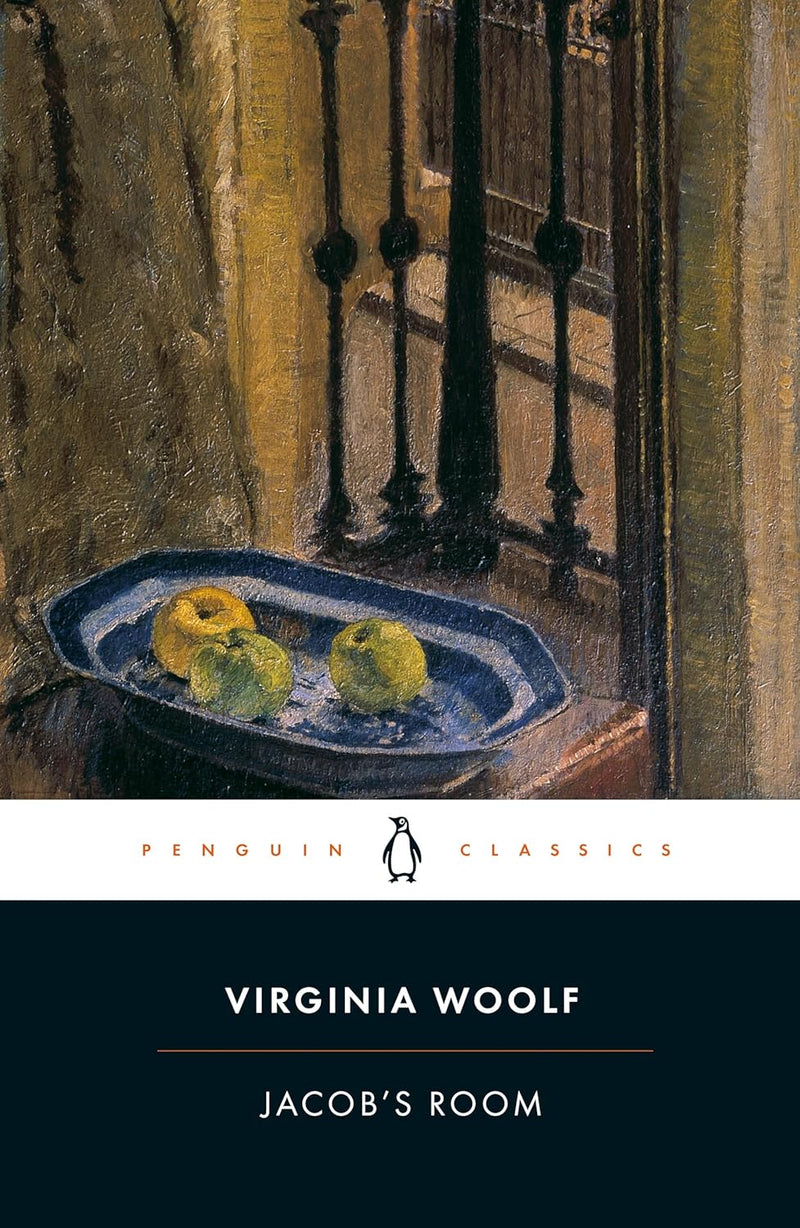
Jacob's Room
DETAILED SUMMARY / BACK COVER
Published in 1922,
Jacob's Room
marks Virginia Woolf’s first experimental novel, diverging from traditional narrative to embrace modernist techniques. This novel presents a fragmented, impressionistic portrait of Jacob Flanders, a young man whose life is observed and pieced together through the perceptions of others. Set against the backdrop of pre-World War I England and Europe, Woolf explores themes of identity, memory, and the transient nature of human experience.
Why You Should Read?
Discover Virginia Woolf's innovative use of stream-of-consciousness and fragmented narrative.
Experience Woolf's distinctive poetic prose, creating a vivid sense of time and place.
Delve into complex questions about identity, perception, and how individuals are remembered.
Gain insight into the societal atmosphere and anxieties of a world on the cusp of significant change.
Available at Bajrabarahi Books.
ARCHIVAL RECORDS & TECHNICAL DETAILS
TITLE (NAME)
JACOB'S ROOM
AUTHOR
VIRGINIA WOOLF
CATEGORY
Literary Fiction
PRICE
Rs. 1520.00
PUBLISHER
Penguin Classics
ISBN / SKU
SKU-10962
FORMAT
Paperback (PHYSICAL)
PAGES / LANGUAGE
250 Pages / English
WEIGHT
0.45 kg (450g)
EDITION
Standard Edition
Related Titles in this Genre

Literary Fiction
दिव्य उपदेश [Dibya Upadesh]
Literary Fiction
आधुनिक नेपालको राजनैतिक इतिहास [Adhunik Nepalko Rajanaitik Itihas]

Literary Fiction