
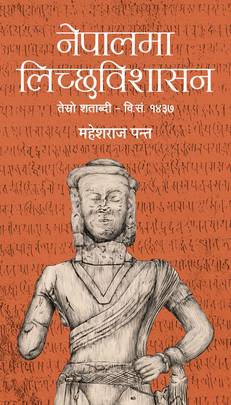
Literary Fiction

The Bloody Chamber and Other Stories
DETAILED SUMMARY / BACK COVER
Angela Carter’s
The Bloody Chamber and Other Stories
is a groundbreaking collection of dark, sensual, and subversive fairy tale retellings. First published in 1979, the book reimagines traditional folk stories, infusing them with feminist themes, gothic horror, and psychological depth. Carter takes well-known tales—such as
Bluebeard
,
Little Red Riding Hood
, and
Beauty and the Beast
—and reinvents them with lush prose, exploring themes of power, desire, violence, and transformation.
Each story in the collection is a masterful blend of myth and modern sensibility, often challenging patriarchal structures and exposing the hidden sexual undercurrents of classic fairy tales. The title story,
The Bloody Chamber
, is a retelling of
Bluebeard
, following a young bride who discovers the horrifying secrets of her enigmatic husband. Other stories, such as
The Courtship of Mr. Lyon
and
The Tiger’s Bride
, offer unique takes on
Beauty and the Beast
, while
The Company of Wolves
and
The Werewolf
present eerie versions of
Little Red Riding Hood
.
Why read this book?
A rich, evocative, and poetic writing style that transforms fairy tales into gothic masterpieces.
A bold feminist reinterpretation of classic stories, exploring themes of power, agency, and transformation.
A haunting blend of sensuality, horror, and dark fantasy that lingers long after reading.
Perfect for readers who enjoy gothic fiction, literary fairy tale retellings, and feminist literature.
A major influence on modern fantasy and feminist storytelling, inspiring works across literature, film, and academia.
About the Author
Angela Carter (1940–1992) was a British writer known for her unique blend of fantasy, gothic horror, and feminist themes. She wrote novels, short stories, and essays, often challenging conventional narratives and gender roles.
The Bloody Chamber and Other Stories
is widely considered her masterpiece, cementing her reputation as one of the most original voices in modern literature. Her work continues to inspire contemporary authors, and she remains a pivotal figure in feminist literary studies.
Available at Bajrabarahi Books.
ARCHIVAL RECORDS & TECHNICAL DETAILS
TITLE (NAME)
THE BLOODY CHAMBER AND OTHER STORIES
AUTHOR
ANGELA CARTER
CATEGORY
Literary Fiction
PRICE
Rs. 800.00
PUBLISHER
Vintage
ISBN / SKU
SKU-10778
FORMAT
Paperback (PHYSICAL)
PAGES / LANGUAGE
250 Pages / English
WEIGHT
0.45 kg (450g)
EDITION
Standard Edition
Related Titles in this Genre
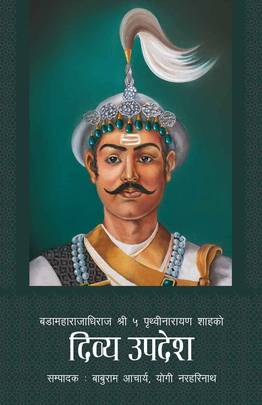
Literary Fiction
दिव्य उपदेश [Dibya Upadesh]
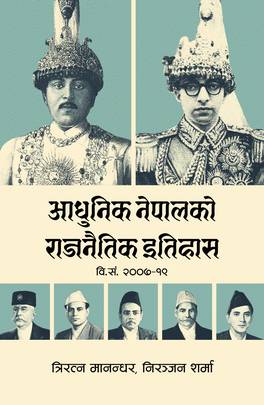
Literary Fiction
आधुनिक नेपालको राजनैतिक इतिहास [Adhunik Nepalko Rajanaitik Itihas]
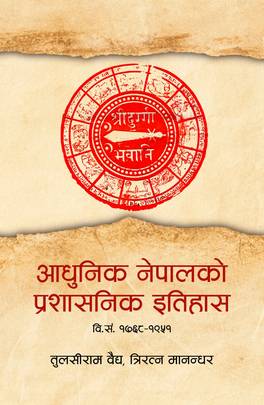
Literary Fiction